AI Research and Education
Using Technology in Context
About Us
Blue Bell Envirobotics Lab (BBELL) is an AI research institute specializing in the development of Machine Learning (ML) and AI applications in various contexts of science and engineering. We also provide educational services in AI and IoT.
Research
Our research connects machine learning, AI, and domain expertise to solve problems in environmental science, air quality, GIS, bioinformatics, risk assessment, and robotics.
Environmental Engineering
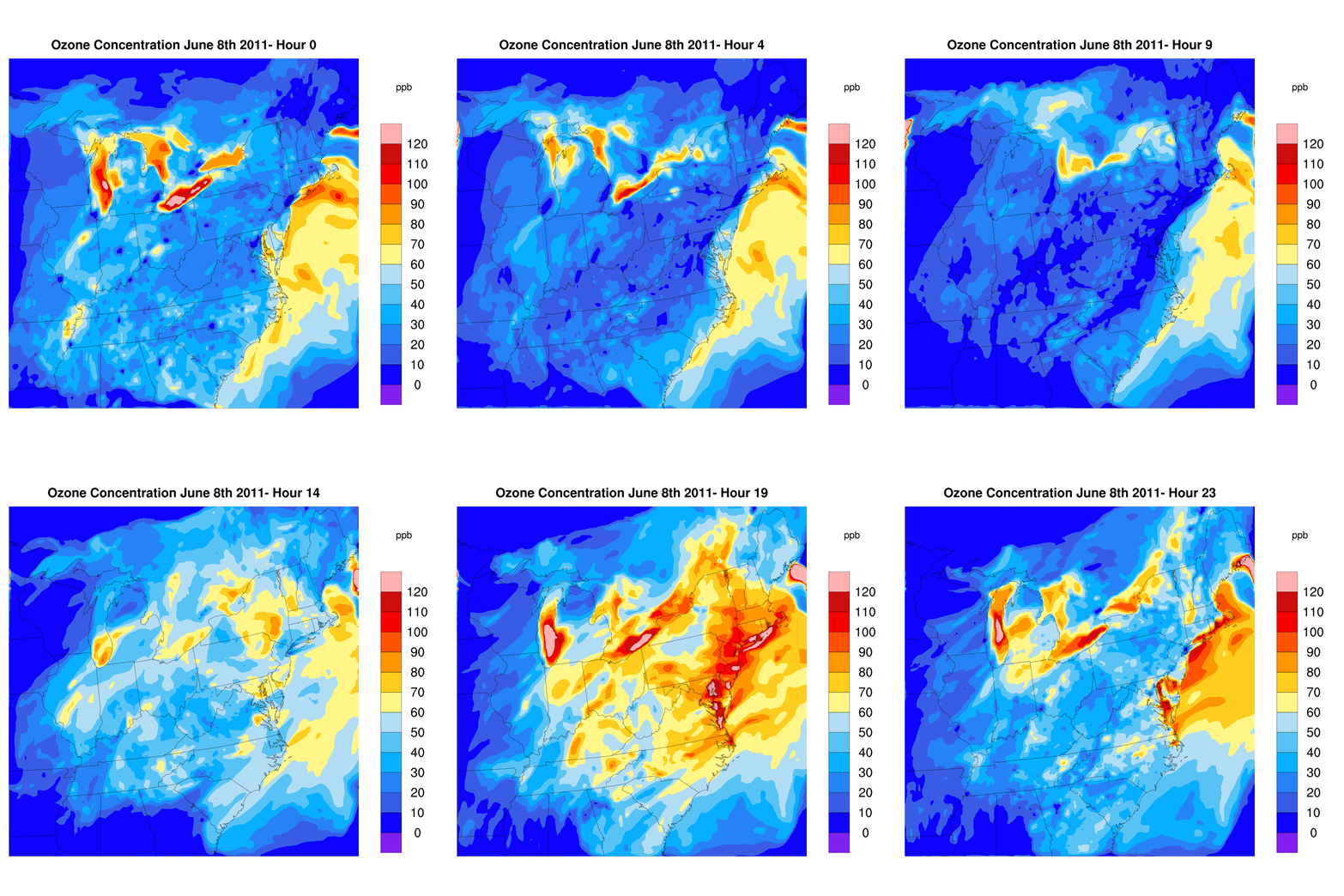
We develop ML- and AI-driven models for air quality forecasting, pollution dispersion, and weather–climate analytics, including regulatory air dispersion modeling for air permitting and compliance. Beyond the atmosphere, our work extends to data-driven modeling of ecosystems, water and soil quality, and climate impacts; groundwater and surface water modeling; and AI-driven environmental transport and fate modeling.
These models are combined with GIS-based geospatial analysis to support environmental decision-making, exposure assessment, and sustainability planning.
Geospatial Analysis
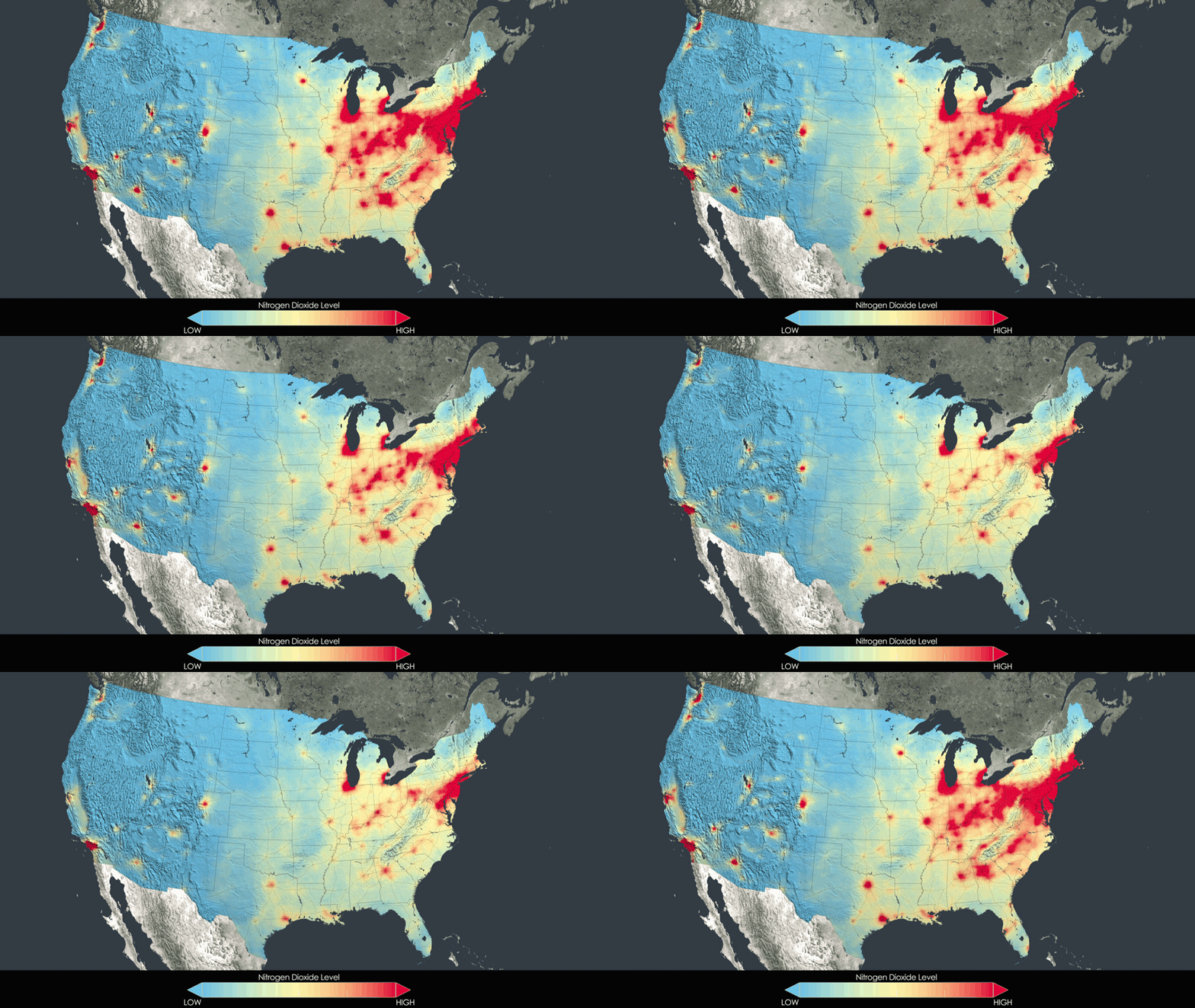
We design web-based GIS and spatial database systems for environmental and engineering applications. Our work includes building interactive mapping dashboards, geospatial databases, and visualization systems; integrating model outputs with GIS; and performing advanced geospatial analysis to support decision-making at regional and national scales.
Bioinformatics
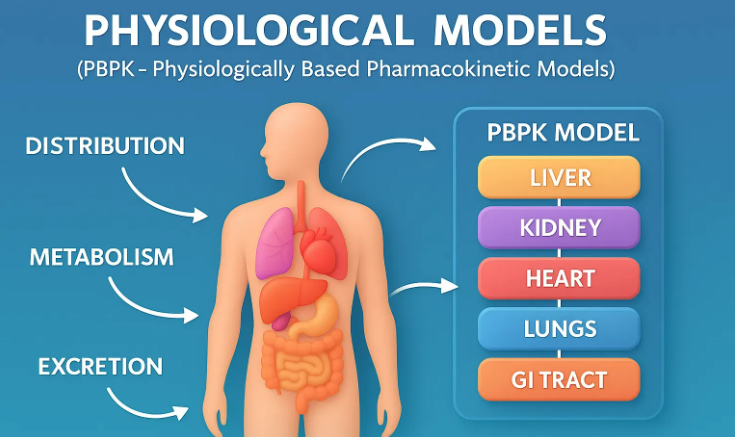
We apply quantitative structure–activity relationship (QSAR) modeling and physiologically based pharmacokinetic (PBPK) modeling to support drug discovery, toxicology, and health risk assessment. Our work also includes benchmark dose lower confidence limit (BMDL) estimation, Bayesian uncertainty quantification, and multiple-path particle dosimetry (MPPD) modeling, linking molecular and biological data to real-world health outcomes.
Risk Assessment
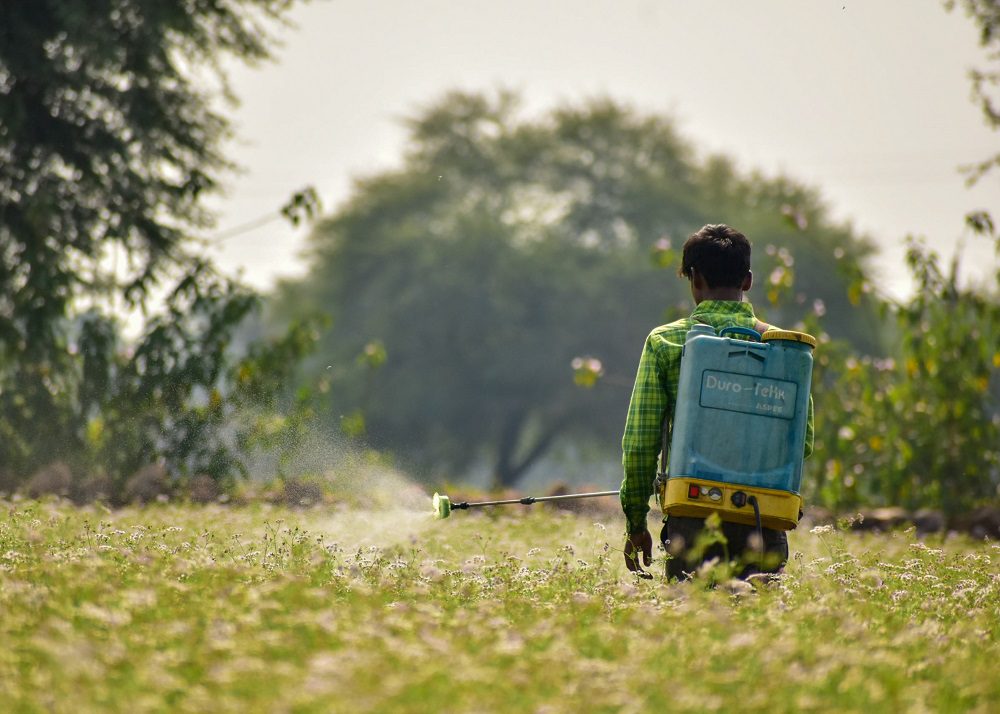
BBELL performs consumer, worker, and environmental exposure and risk assessments. We integrate mechanistic models, exposure scenarios, and uncertainty analysis to provide transparent, quantitative support for regulatory reviews, product stewardship, and policy decisions in an AI-informed framework.
Robotics & IoT for Science & Engineering
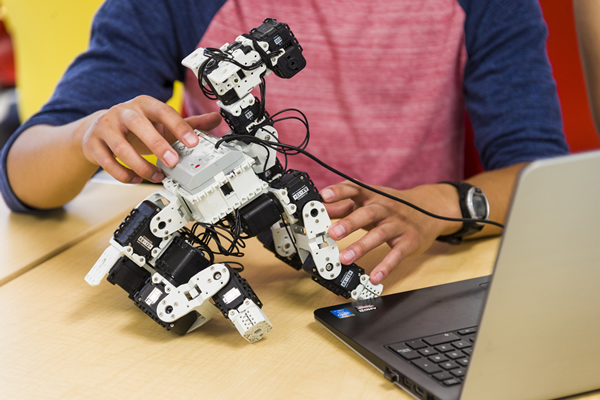
Our robotics and IoT work links intelligent sensing and environmental monitoring with embedded systems and electromechanical design. We prototype smart, connected devices and mobile platforms and use these systems as teaching tools for students and professionals learning AI, control, and real-time data acquisition in scientific and engineering contexts.
Our Mission
-
AI & Machine Learning for Science & Engineering
Develop and apply AI and machine learning methods in scientific and engineering contexts—programming models, simulations, and data pipelines that connect code to real-world measurements and decisions.
-
AI, Electromechanical Design & 3D Printing
Combine AI with hardware: robotics, IoT, sensors, control systems, and 3D printing to build intelligent devices and experimental platforms for science and engineering.
-
AI Education for All Ages & Professions
Provide accessible AI education for every generation—from elementary students to seniors—and for professionals such as farmers, high school teachers, clinicians, and industry experts so they can confidently use AI in their own domains.
Want to learn more? Check out Youtube
Lab
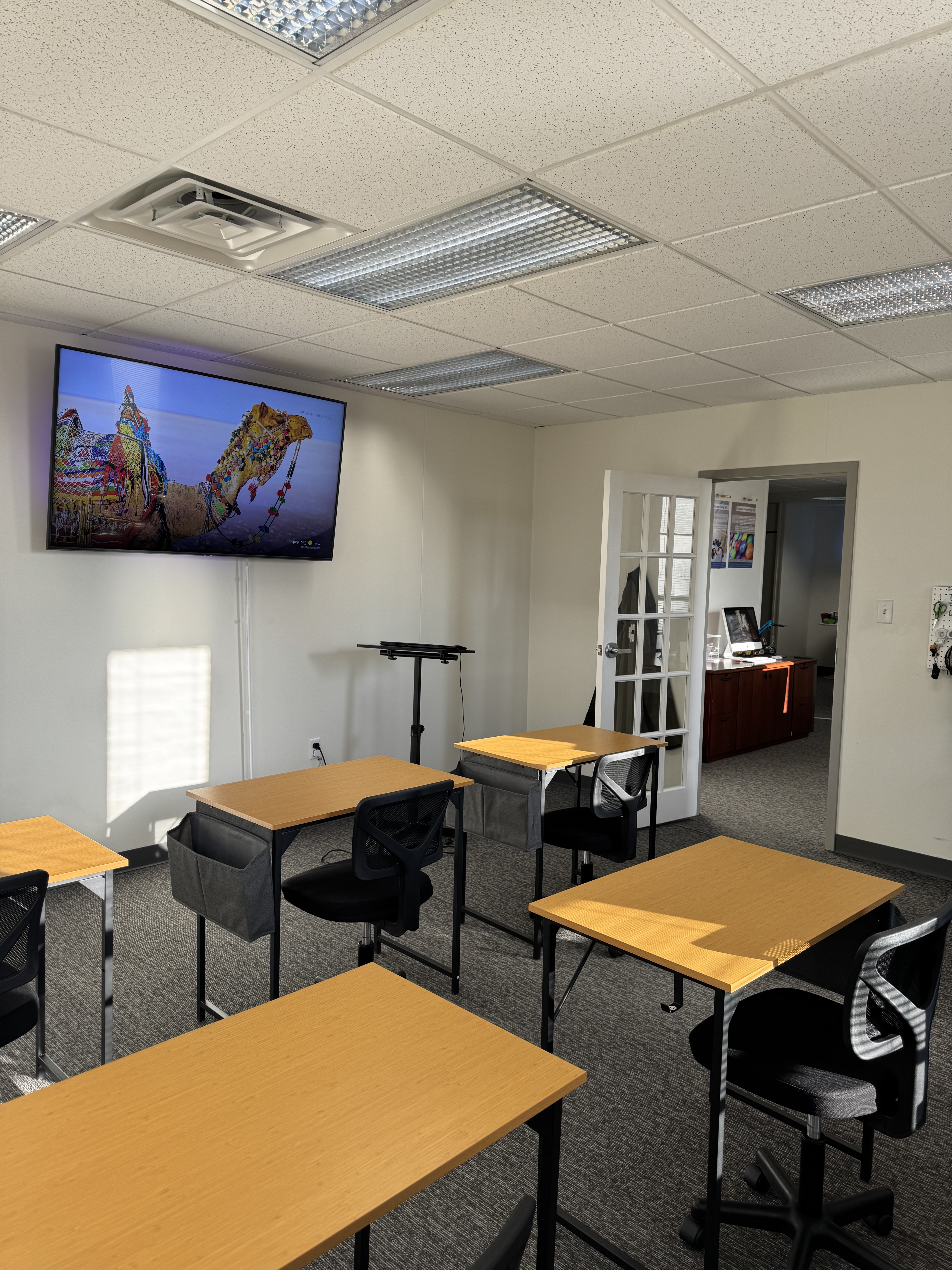
BBELL is a hands-on space for research, teaching, and collaboration. Here’s a glimpse inside our lab environment.
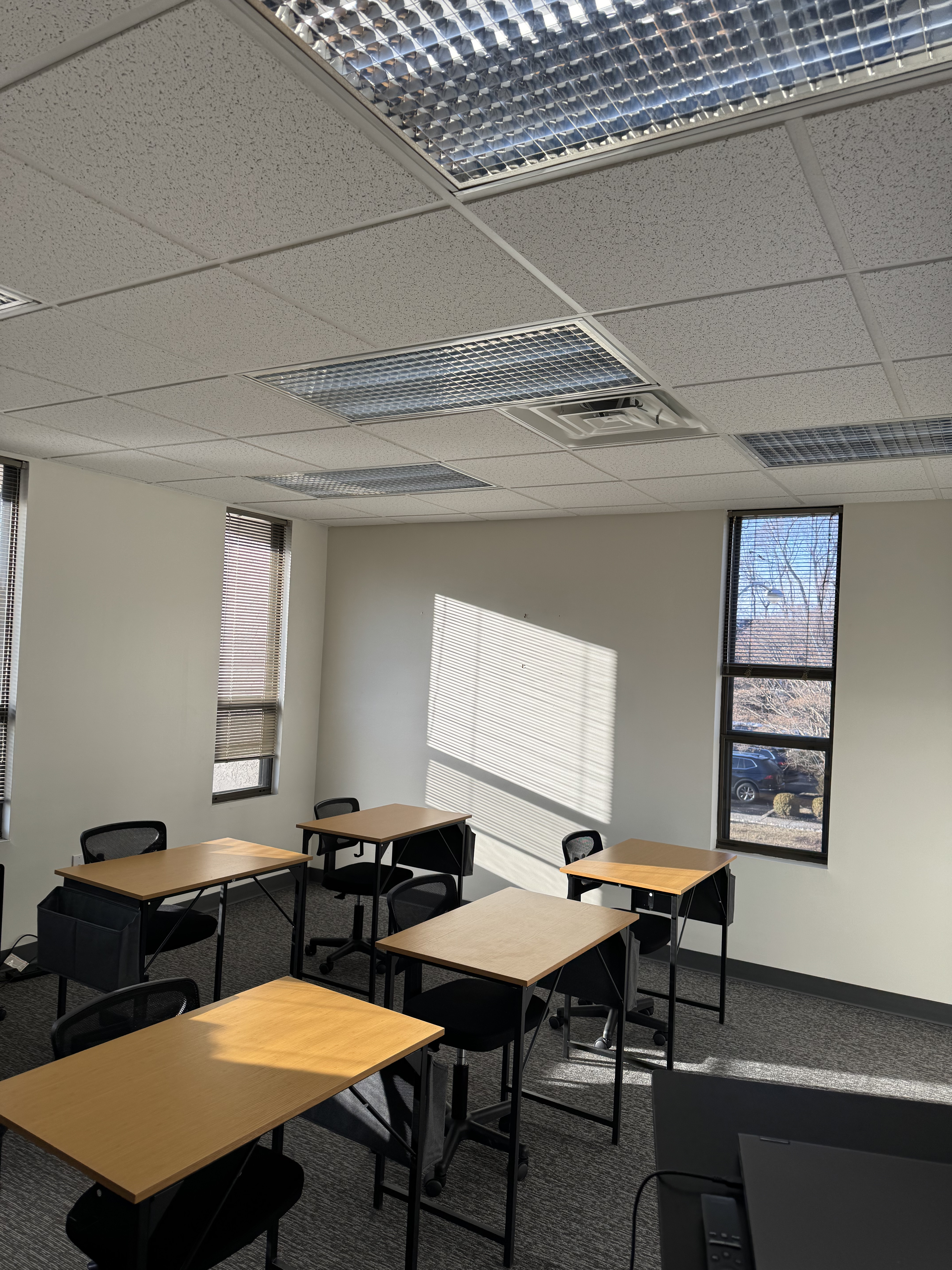
Classroom 1
Bright, flexible classroom space for lectures, workshops, and group projects.
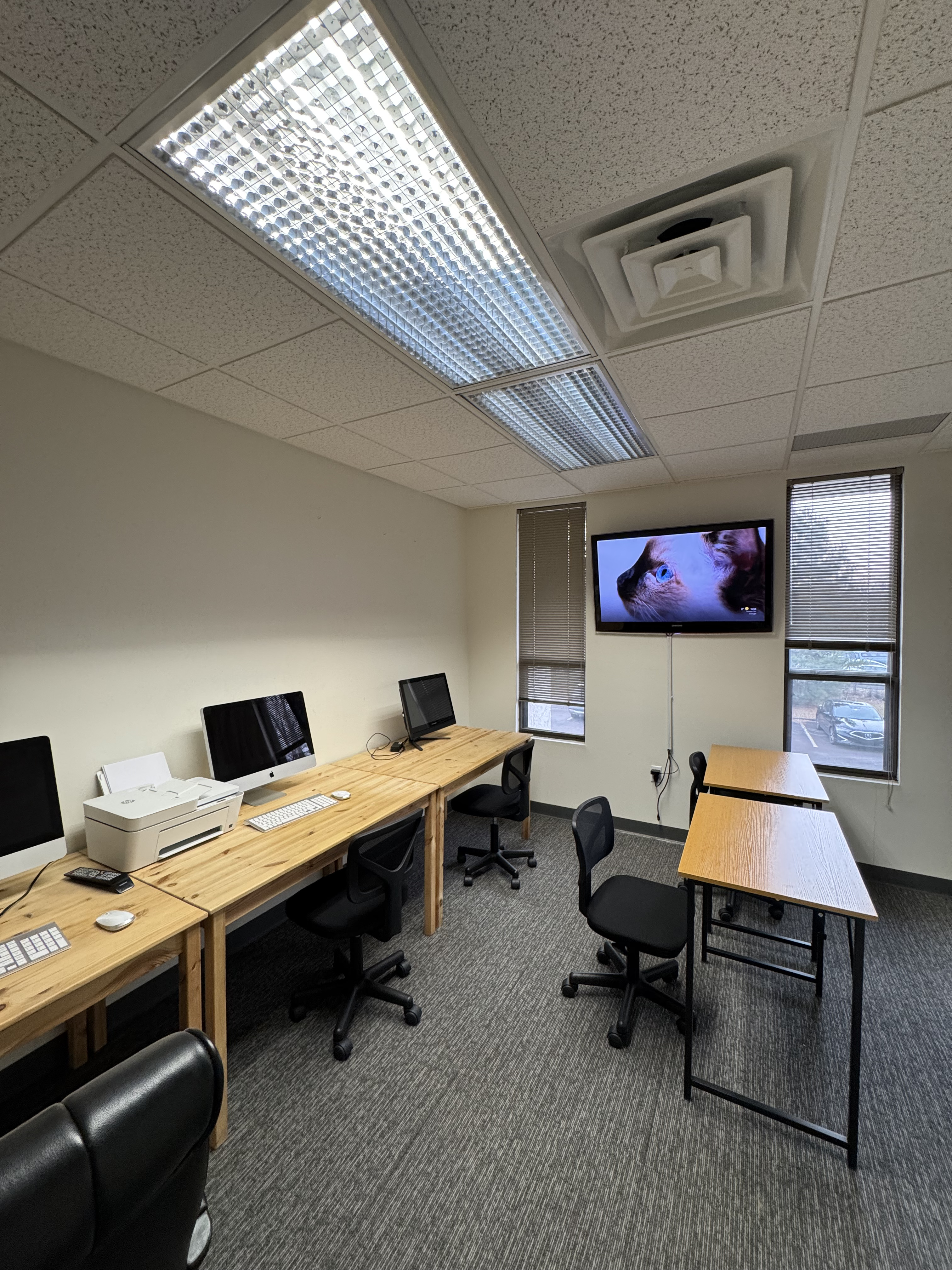
Classroom 2
Multiple seating layouts support coding labs, problem-solving sessions, and exams.
Computing Lab
Networked workstations for coding, data science, and ML projects.
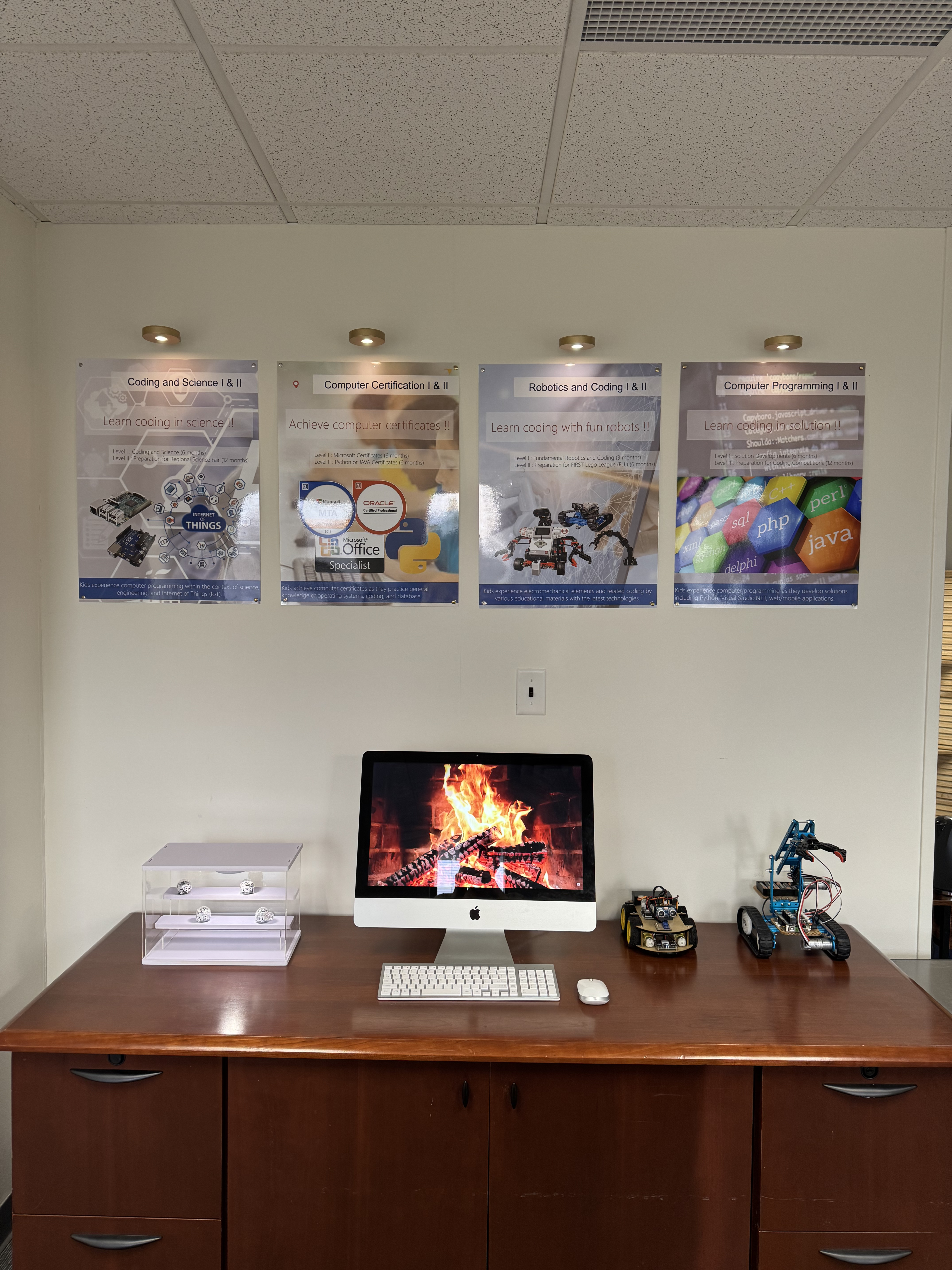
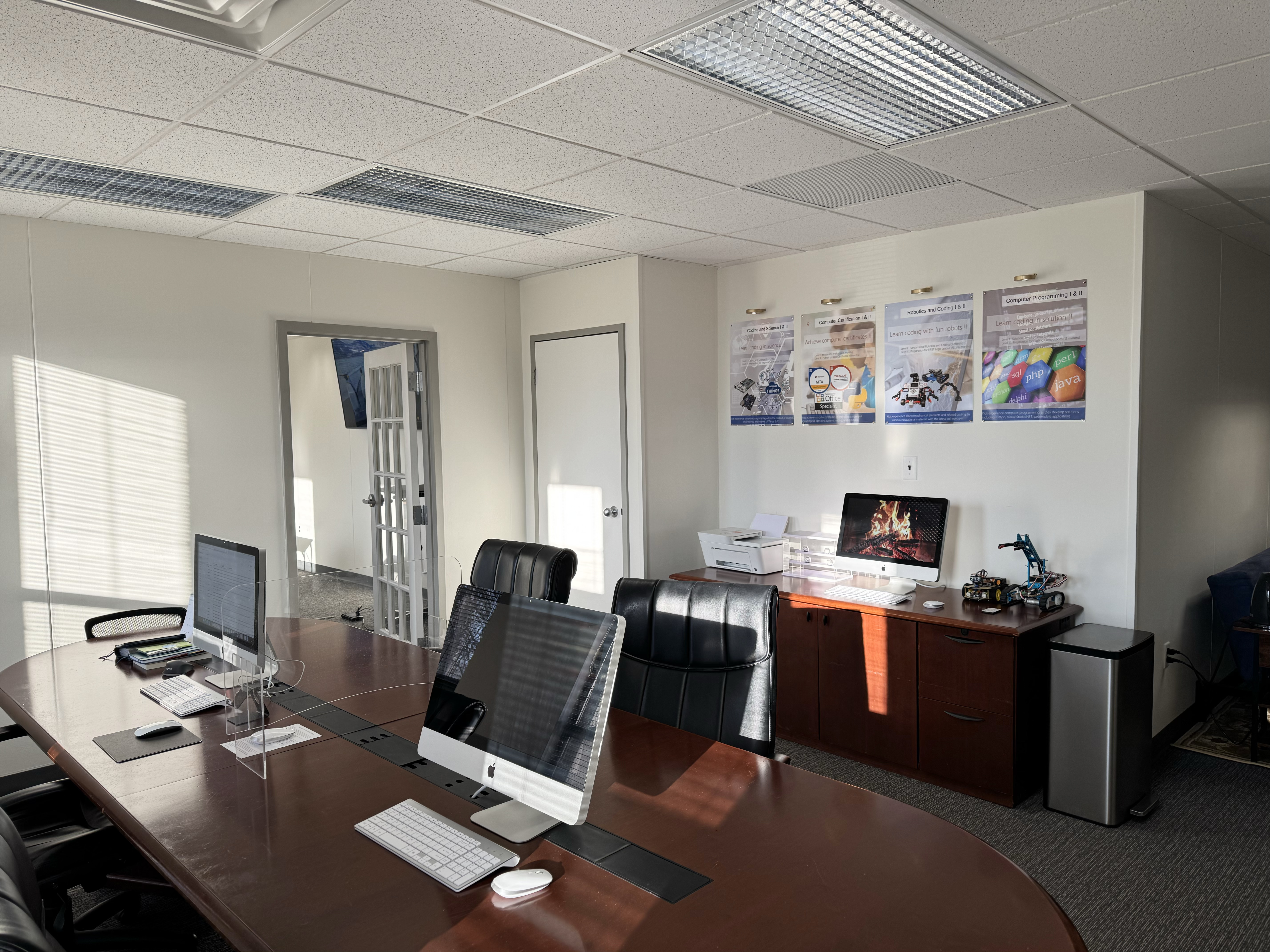
Collaboration Room
Our primary teaching and collaboration area, with displays and robotics tools for demonstrations.
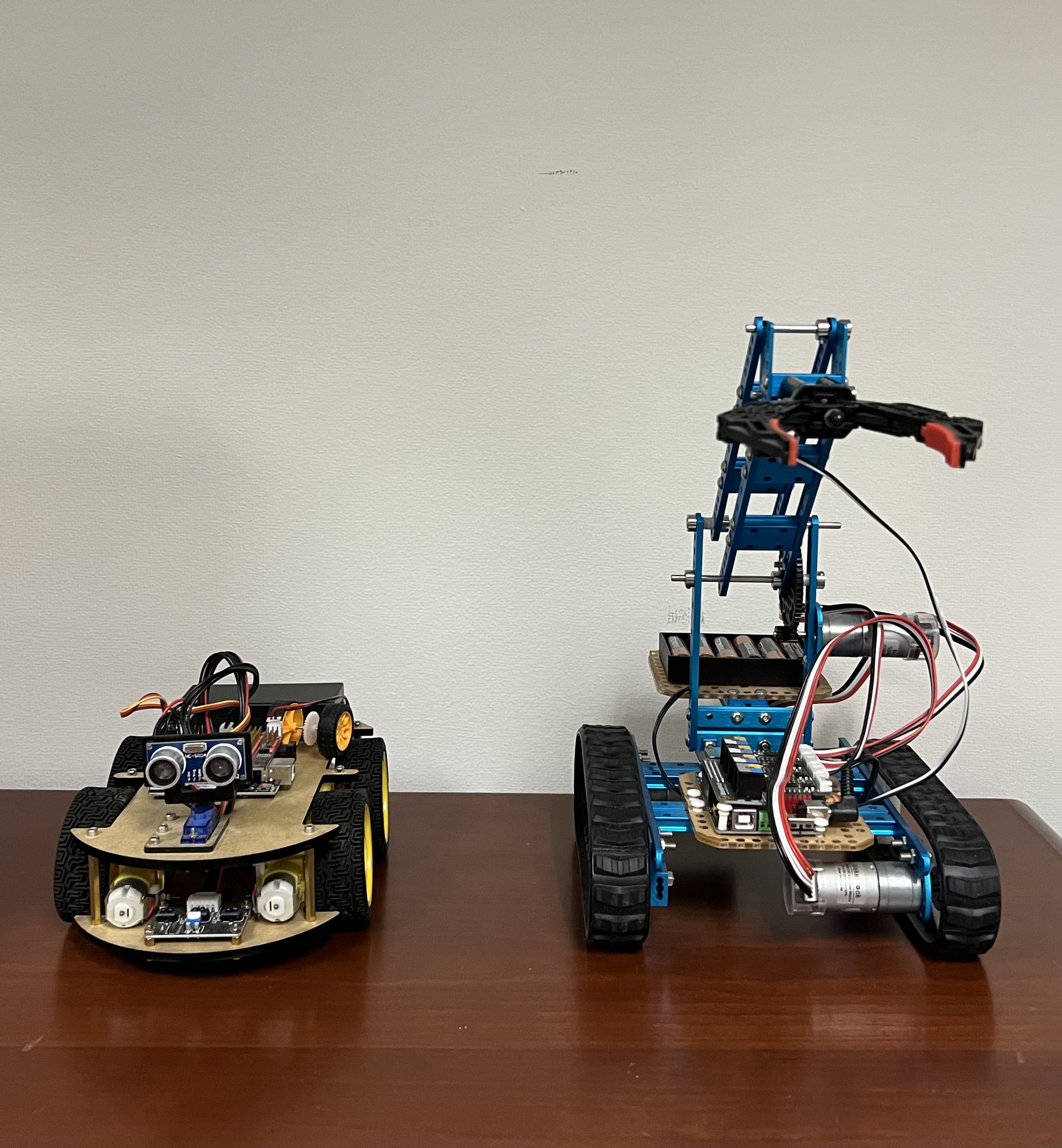
Student-built Robots
Custom robots used in our robotics and coding courses, built by students.

Educational Robots
Small, programmable robots introduce younger learners to algorithms and STEM.
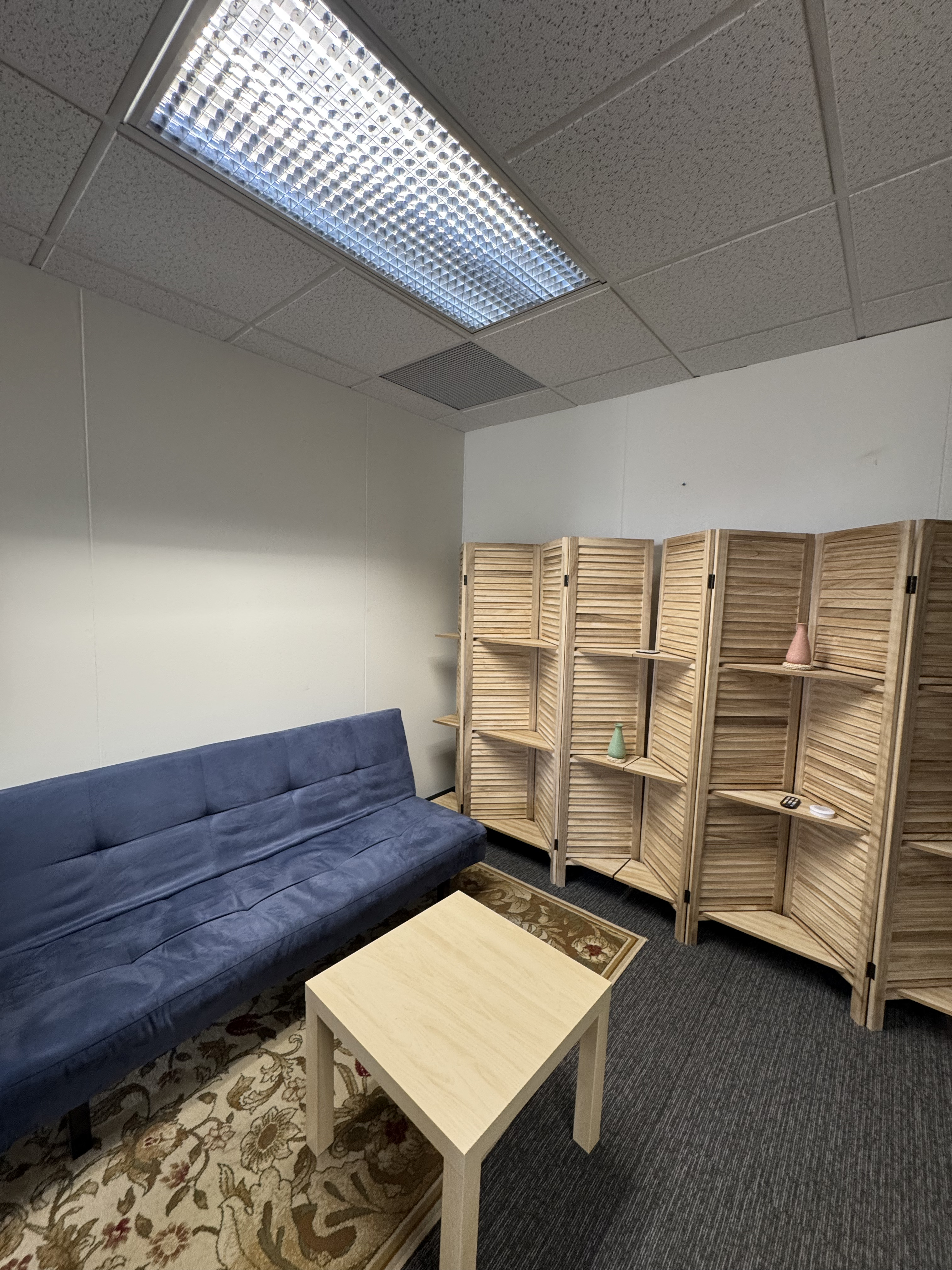
Lounge & Reading Area
A comfortable space for mentoring, informal discussions, and quiet study.
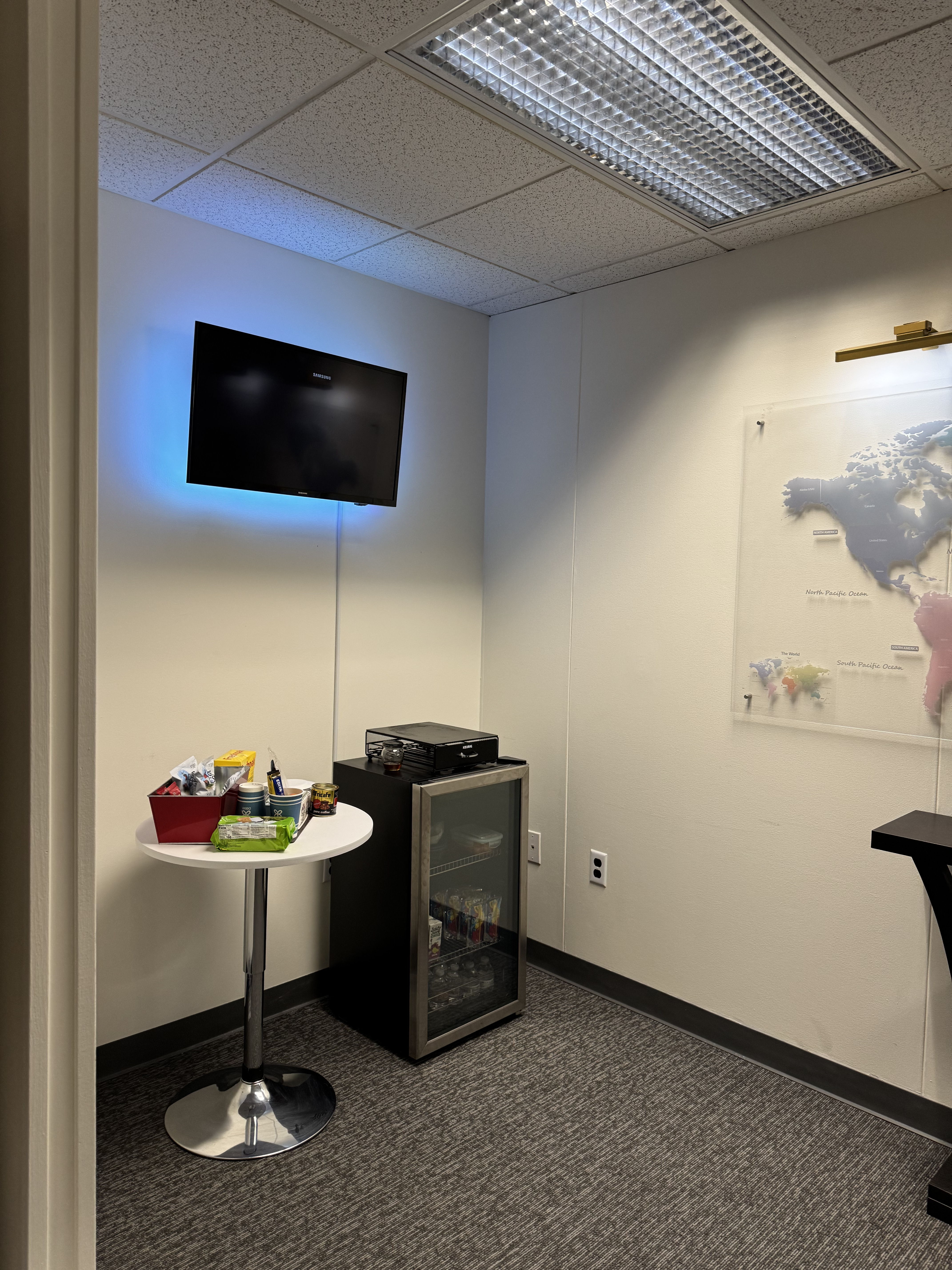
Break Corner
Snacks and drinks keep students energized during longer workshops and camps.
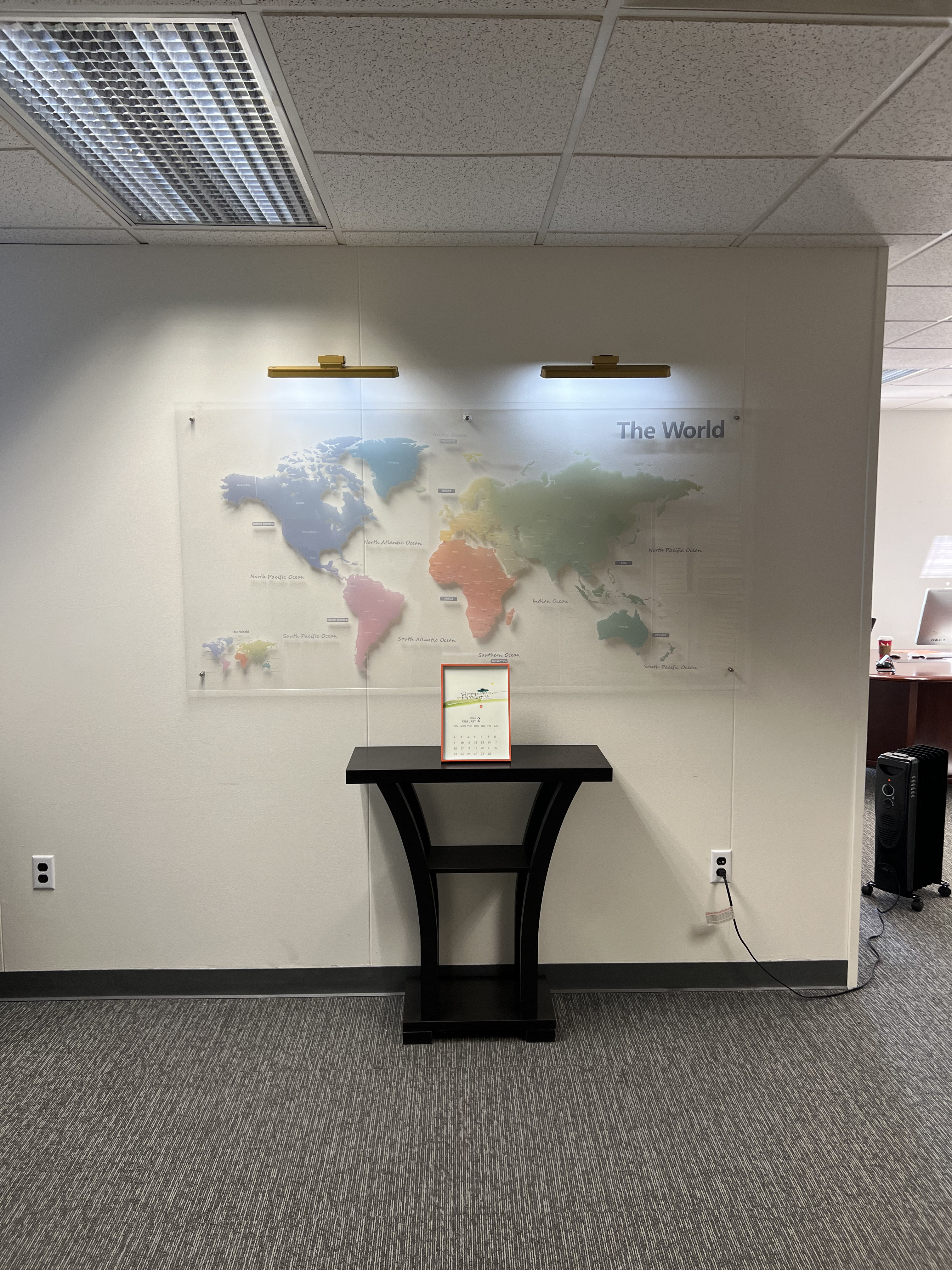
Global Perspective
Our work reflects global environmental, health, and technology challenges.
Education
We foster students from elementary school to seniors as they adapt to a fast-growing, AI-driven environment. Our students have earned awards in state, regional, and national competitions; obtained certifications; been admitted to prestigious universities; secured internships in university labs; and, as undergraduates, been accepted into government and research companies. Most importantly, they learn real knowledge that they can carry forward.

Get in touch with us!
Blue Bell (BBELL) Envirobotics Lab, LLC
768 N Bethlehem Pike,
Lower Gwynedd, PA 19002
Phone: (267) 742-0135